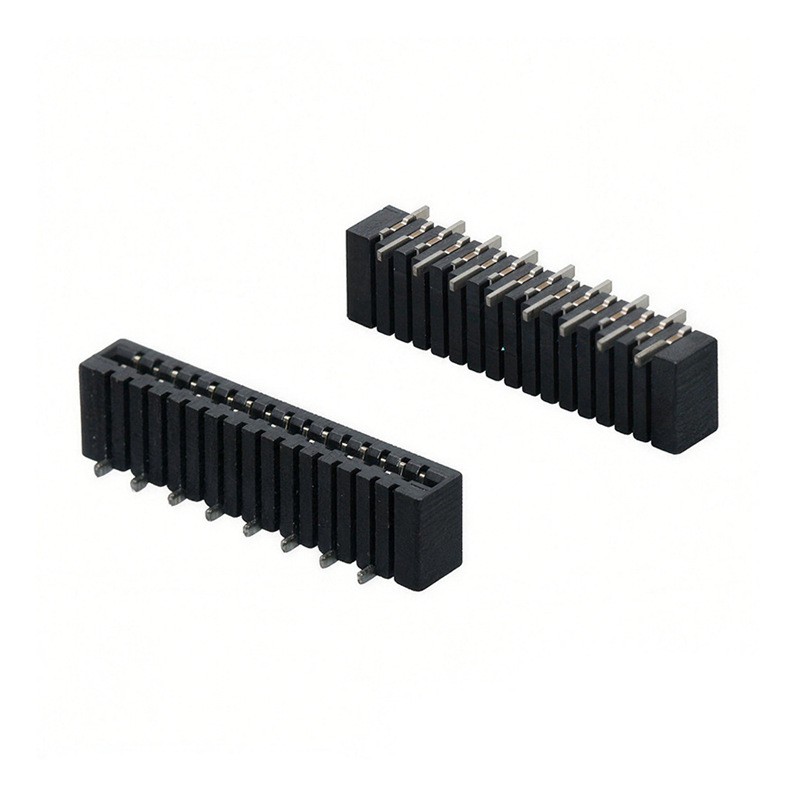
When it comes to electronic device design, selecting the appropriate board-to-board connector is a critical decision that can significantly impact the performance, reliability, and overall success of your project. As a seasoned board-to-board connector supplier, I’ve witnessed firsthand the challenges engineers and designers face in making this choice. In this blog, I’ll share insights and guidelines to help you navigate the process of choosing the right board-to-board connector for your specific needs. Board-to-Board Connector

Understanding the Basics of Board-to-Board Connectors
Board-to-board connectors are essential components used to connect two printed circuit boards (PCBs). They come in various types, each designed to meet different application requirements. The primary function of these connectors is to establish an electrical connection between the two boards while providing mechanical support. Some common types of board-to-board connectors include:
- Mezzanine Connectors: These connectors are used to connect two parallel PCBs at a fixed distance. They are commonly found in applications such as servers, data storage systems, and industrial equipment.
- Stacking Connectors: Stacking connectors allow for the vertical connection of multiple PCBs, enabling the creation of compact and high-density electronic assemblies. They are often used in consumer electronics, such as smartphones and laptops.
- Edge Connectors: Edge connectors are designed to connect the edge of one PCB to another. They are commonly used in applications where a simple and cost-effective connection is required, such as in some types of test equipment.
Key Factors to Consider When Choosing a Board-to-Board Connector
1. Electrical Requirements
- Current Rating: The current rating of a connector determines the maximum amount of electrical current it can safely carry. It’s crucial to select a connector with a current rating that exceeds the expected current in your application to prevent overheating and potential damage.
- Voltage Rating: Similar to the current rating, the voltage rating indicates the maximum voltage the connector can withstand without breakdown. Ensure that the connector’s voltage rating is suitable for the voltage levels in your circuit.
- Contact Resistance: Low contact resistance is essential for minimizing power loss and ensuring reliable electrical connections. Connectors with lower contact resistance generally offer better performance and efficiency.
2. Mechanical Requirements
- Mating Force: The mating force is the amount of force required to connect and disconnect the two halves of the connector. A connector with too high a mating force can make assembly difficult and may cause damage to the PCBs or the connector itself. On the other hand, a connector with too low a mating force may result in a loose connection.
- Retention Force: The retention force is the force that holds the two halves of the connector together after mating. A high retention force is necessary to ensure a stable and reliable connection, especially in applications where the boards may be subject to vibration or mechanical stress.
- Pitch: The pitch refers to the distance between the centers of adjacent contacts in the connector. A smaller pitch allows for a higher density of contacts, which is beneficial in applications where space is limited. However, smaller pitch connectors may also be more difficult to work with and may require more precise manufacturing processes.
3. Environmental Requirements
- Temperature Range: Consider the operating temperature range of your application and choose a connector that can withstand those temperatures without degradation. Extreme temperatures can affect the performance and reliability of the connector, so it’s important to select one that is suitable for your specific environment.
- Humidity and Moisture Resistance: In applications where the equipment may be exposed to humidity or moisture, it’s essential to choose a connector with adequate moisture resistance. Some connectors are designed with special coatings or materials to prevent corrosion and ensure reliable operation in wet or humid conditions.
- Vibration and Shock Resistance: If your application is subject to vibration or shock, such as in automotive or aerospace applications, you need to select a connector that can withstand these forces without losing its electrical connection. Connectors with features like screw locking or spring-loaded contacts can provide better resistance to vibration and shock.
4. Application-Specific Requirements
- Signal Integrity: In high-speed applications, signal integrity is of utmost importance. Select a connector that is designed to minimize signal loss, crosstalk, and electromagnetic interference (EMI). Connectors with specialized shielding and impedance matching capabilities can help ensure reliable signal transmission.
- Board Thickness: The thickness of the PCBs you are connecting will also influence your connector choice. Make sure the connector is compatible with the board thickness of your application to ensure a proper fit and reliable connection.
- Mounting Style: Board-to-board connectors are available in various mounting styles, including surface mount technology (SMT) and through-hole technology (THT). Consider the manufacturing process and assembly requirements of your project when choosing the mounting style.
Evaluation and Testing
Once you have identified a few potential board-to-board connectors based on the above factors, it’s important to evaluate and test them before making a final decision. Here are some steps you can take:
- Request Samples: Contact the connector suppliers and request samples of the connectors you are considering. This will allow you to physically examine the connectors and test them in your own application environment.
- Conduct Electrical Testing: Use appropriate test equipment to measure the electrical characteristics of the connectors, such as contact resistance, insulation resistance, and signal transmission performance. Compare the test results with the specifications provided by the supplier to ensure the connectors meet your requirements.
- Perform Mechanical Testing: Subject the connectors to mechanical stress, such as vibration and shock testing, to evaluate their mechanical reliability. Check for any signs of damage or loosening of the connection during the testing process.
Working with a Reliable Supplier
Choosing the right board-to-board connector is not just about selecting the right product; it’s also about working with a reliable supplier. Here’s why working with a reputable supplier is important:
- Technical Support: A reliable supplier will have a team of experienced engineers who can provide technical support and guidance throughout the connector selection process. They can help you understand the technical specifications of the connectors and recommend the best solution for your application.
- Quality Assurance: Reputable suppliers have strict quality control measures in place to ensure that their connectors meet the highest standards of quality and reliability. They use advanced manufacturing processes and testing equipment to ensure that each connector is defect-free.
- Customization Options: In some cases, you may have specific requirements that cannot be met by off-the-shelf connectors. A reliable supplier will be able to offer customization options, such as custom pin configurations, plating options, and housing materials, to meet your unique needs.
Conclusion
Selecting the right board-to-board connector is a complex process that requires careful consideration of various factors, including electrical, mechanical, environmental, and application-specific requirements. By understanding these factors and working with a reliable supplier, you can ensure that you choose the connector that best meets the needs of your project.
BMS Connector If you are in the process of selecting a board-to-board connector for your next project, I encourage you to reach out to us. As a leading board-to-board connector supplier, we have a wide range of high-quality connectors to choose from, and our team of experts is ready to provide you with the technical support and guidance you need. Contact us today to start discussing your connector requirements and find the perfect solution for your application.
References
- Adams, C., & Smith, D. (2018). Handbook of Electrical Connectors. McGraw-Hill.
- Groover, M. P. (2017). Fundamentals of Modern Manufacturing: Materials, Processes, and Systems. Wiley.
- IPC – Association Connecting Electronics Industries. (2019). IPC-A-610F: Acceptability of Electronic Assemblies.
Wenzhou JKUN Connector Co., Ltd.
As one of the most professional board-to-board connector manufacturers and suppliers in China, we’re featured by quality products and low price. Please rest assured to wholesale bulk customized board-to-board connector from our factory. For quotation and free sample, contact us now.
Address: No.2667, Ningkang East Road, Yueqing City, Zhejiang Province, China
E-mail: sales@cnjkun.com
WebSite: https://www.jkunjcj.com/
