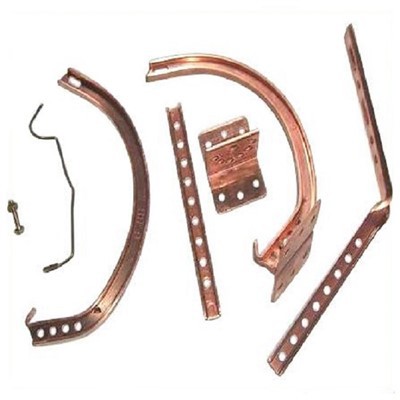
Hey there! I’m a supplier of stamping parts, and I know how crucial it is to have a top – notch surface finish for these parts. In this blog, I’m gonna share some practical tips on how to improve the surface finish of stamping parts. Stamping Parts
Understanding the Basics
First off, let’s get into what stamping is. It’s a manufacturing process where flat sheet metal is placed in a press and shaped into different forms using dies. The surface finish of these parts can be affected by a whole bunch of factors. One of the main ones is the quality of the raw material. If the sheet metal you’re using has scratches, dents, or other surface irregularities right from the start, it’s going to be really tough to get a great finish on the stamped part.
So, when you’re sourcing your raw materials, make sure to work with reliable suppliers. Check the material’s surface quality before you start stamping. You can use simple visual inspections or even some basic measuring tools to detect any flaws.
Die Design and Maintenance
The die is like the heart of the stamping process. A well – designed die can make a huge difference in the surface finish of your parts. First of all, the die’s cutting edges need to be sharp. Dull edges can cause burrs on the stamped parts. You know, those annoying little rough edges that stick out. To keep the cutting edges sharp, you need to have a regular maintenance schedule.
When it comes to die design, the radius of the corners also matters. Sharp corners in the die can lead to stress concentrations on the stamped parts, which might cause cracking or uneven surfaces. So, use rounded corners in the die design. This helps the metal flow more smoothly during the stamping process and results in a better surface finish.
Another thing to consider is the die clearance. If the clearance between the punch and the die is too large, it can cause the part to have a rough surface as the metal doesn’t get properly formed. On the other hand, if the clearance is too small, the metal may get jammed, leading to scratches and other surface defects. You need to find that sweet spot for the die clearance based on the type and thickness of the metal you’re using.
Lubrication
Lubrication is super important in stamping. It’s like the oil that keeps the machine running smoothly. When you stamp metal, there’s a lot of friction between the metal and the die. This friction can cause heat, which in turn can damage the surface of the stamped part. By using the right lubricant, you can reduce this friction.
There are different types of lubricants available, like oils and greases. The choice of lubricant depends on the type of metal and the stamping process. For example, if you’re stamping stainless steel, you might need a different lubricant than if you’re working with aluminum. You also need to apply the lubricant in the right way. Too little lubricant won’t do the job, and too much can make a mess and even cause issues with the final part quality.
Most of the time, you can apply the lubricant directly to the metal sheet before stamping. Make sure to cover the entire surface evenly. Some stamping machines also have built – in lubrication systems that can apply the lubricant automatically.
Press Parameters
The settings on your stamping press play a big role in the surface finish. The press speed is one of them. If you stamp too fast, the metal might not have enough time to deform properly, which can lead to a rough surface. On the other hand, stamping too slowly can be a waste of time and might also cause issues with the part’s shape.
The pressure applied by the press is also crucial. If the pressure is too low, the part might not be fully formed, and you’ll end up with an incomplete or uneven surface. If the pressure is too high, it can cause excessive deformation, cracks, or other surface defects. You need to adjust the press pressure according to the thickness and type of the metal.
Post – Stamping Processes
After the stamping is done, there are some post – stamping processes that can improve the surface finish. One common method is deburring. As I mentioned earlier, burrs are those rough edges on the stamped parts. You can use tools like files, sandpaper, or deburring machines to remove these burrs.
Another post – stamping process is polishing. Polishing can give the part a smooth and shiny surface. You can use different levels of abrasives in the polishing process, starting with a coarser one to remove any major surface imperfections and then moving on to finer abrasives for a mirror – like finish.
If you need to protect the surface of the stamped part, you can also use coating or plating. A coating can provide a layer of protection against corrosion and wear, and it can also improve the appearance of the part. Plating, like chrome plating or nickel plating, can also enhance the surface finish and give the part a more professional look.
Quality Control
Quality control is an ongoing process. You need to inspect the parts at different stages of the manufacturing process. Before stamping, check the raw materials. During stamping, monitor the press parameters and the condition of the die. After stamping, carefully inspect the parts for surface defects.
You can use a variety of inspection tools, such as microscopes to check for small surface irregularities, or surface roughness testers to measure the smoothness of the part. If you find any defective parts, you need to figure out the root cause and take corrective actions right away.
Employee Training
Your employees are a key factor in getting a good surface finish. They need to know how to operate the stamping machines properly, how to maintain the dies, and how to carry out the post – stamping processes. So, you should provide regular training to your employees.
For example, teach them how to identify the signs of a dull die and how to properly lubricate the metal. Train them on the importance of following the right press parameters and how to perform quality control inspections. The more knowledgeable your employees are, the better the surface finish of your stamping parts will be.
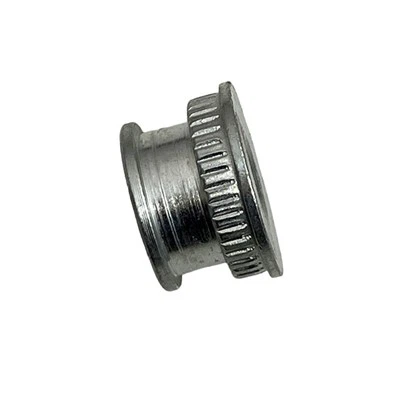
Turned Parts Well, those are my tips on how to improve the surface finish of stamping parts. As a stamping parts supplier, I’ve seen firsthand how these techniques can make a big difference in the quality of the final product. If you’re in the market for high – quality stamping parts with a great surface finish, I’d love to have a chat with you. We can discuss your specific needs and see how we can work together. Reach out to us to start a procurement discussion!
References
- "Stamping Technology Handbook", a comprehensive guide on stamping processes and techniques.
- Metal Forming Magazine, which often features articles on improving the quality of stamped parts.
Hangzhou Zhalihui Import And Export Co., Ltd.
We are one of the most experienced stamping parts manufacturers and suppliers in China, specialized in providing high quality customized products. Please feel free to buy discount stamping parts in stock here from our factory. Contact us for quotation.
Address: Room 2801, Building 2, Taifu Plaza, No.17, Tonghui Middle Road, Chengxiang Street, Xiaoshan, Hangzhou, Zhejiang
E-mail: Chars_1979@hotmail.com
WebSite: https://www.zhalihui.com/
