What are the noise – generating mechanisms in fluid film bearings?
As a supplier of fluid film bearings, I’ve witnessed firsthand the importance of understanding the noise – generating mechanisms in these crucial mechanical components. Fluid film bearings are widely used in various industries, including automotive, aerospace, and power generation, due to their excellent load – carrying capacity and long – service life. However, noise can be a significant issue, affecting the performance, reliability, and user experience of the equipment in which they are installed. Fluid Film Bearings

1. Vibration and Resonance
One of the primary noise – generating mechanisms in fluid film bearings is vibration and resonance. Vibration can occur due to several factors. Firstly, unbalanced rotating parts can cause the bearing to experience uneven forces. For example, in a high – speed turbine, if the rotor is not properly balanced, it will create cyclic forces on the fluid film bearing. These forces can lead to vibrations in the bearing, which in turn generate noise.
Resonance is another critical aspect. Every mechanical system has a natural frequency. When the frequency of the external excitation (such as the rotational speed of the shaft) matches the natural frequency of the bearing or the surrounding structure, resonance occurs. Resonance amplifies the vibrations significantly, resulting in a much louder noise. To prevent this, engineers need to carefully design the bearing and the associated system to ensure that the operating frequencies are far from the natural frequencies. This may involve adjusting the bearing geometry, material properties, or the stiffness of the supporting structure.
2. Fluid Inertia and Turbulence
The fluid in fluid film bearings plays a crucial role in noise generation. Fluid inertia can cause noise when the bearing experiences rapid changes in speed or load. When the shaft accelerates or decelerates suddenly, the fluid in the bearing has to adapt to the new flow conditions. The inertia of the fluid resists these changes, leading to pressure fluctuations. These pressure fluctuations can propagate as sound waves, contributing to the overall noise level.
Turbulence is another key factor related to the fluid in the bearing. As the shaft rotates, the fluid in the bearing gap is set in motion. At higher rotational speeds or under certain operating conditions, the laminar flow of the fluid can break down, and turbulence can develop. Turbulent flow is characterized by random and chaotic motion of the fluid particles. This chaotic motion creates pressure variations in the fluid, which are transmitted to the bearing surfaces and the surrounding environment, resulting in noise. The generation of turbulence depends on factors such as the fluid viscosity, the speed of the shaft, and the geometry of the bearing gap.
3. Bearing Clearance and Misalignment
Bearing clearance has a direct impact on noise generation. If the clearance between the shaft and the bearing is too large, the shaft can move more freely within the bearing. This increased movement can lead to impacts and vibrations between the shaft and the bearing surfaces, especially during startup, shutdown, or when the load changes. These impacts generate sharp noise pulses, which can be quite annoying and may also indicate potential wear and tear on the bearing.
On the other hand, if the clearance is too small, the fluid film may not be able to form properly. This can cause the shaft and the bearing to come into direct contact in some areas, resulting in friction and heat generation. The friction can also produce noise, and in severe cases, it can lead to bearing failure.
Misalignment is another common problem that can cause noise in fluid film bearings. When the shaft is not properly aligned with the bearing, the load distribution on the bearing becomes uneven. This uneven load can lead to increased stress in some areas of the bearing, causing vibrations and noise. Misalignment can be caused by factors such as improper installation, thermal expansion, or external forces acting on the equipment.
4. Surface Roughness and Wear
The surface roughness of the bearing and the shaft can significantly affect noise generation. If the surfaces are too rough, the fluid film may not be able to form a smooth and continuous layer. As the shaft rotates, the rough surfaces can disrupt the fluid flow, causing micro – vibrations and pressure fluctuations. These small – scale disturbances can add up to create a noticeable noise.
Wear over time can also change the surface properties of the bearing and the shaft. As the surfaces wear, the surface roughness may increase, and the geometry of the bearing may be altered. This can further exacerbate the noise – generating mechanisms. Additionally, wear particles in the fluid can cause additional disturbances in the fluid flow, leading to more noise.
5. Lubricant Characteristics
The properties of the lubricant used in the fluid film bearing are crucial for noise reduction. The viscosity of the lubricant is a key factor. A lubricant with too low a viscosity may not be able to form a thick enough fluid film to separate the shaft and the bearing surfaces effectively. This can lead to increased friction and noise. On the other hand, a lubricant with too high a viscosity can cause excessive power loss and may also generate noise due to the increased resistance to flow.
The chemical composition of the lubricant can also affect noise. Some additives in the lubricant can improve its anti – wear and anti – oxidation properties, which can in turn reduce noise. For example, anti – wear additives can help maintain the surface integrity of the bearing and the shaft, preventing excessive wear and noise.
Impact on Industries
The noise generated by fluid film bearings can have significant implications for different industries. In the automotive industry, noisy bearings can reduce the comfort of the vehicle occupants. In high – end luxury cars, where a quiet cabin is expected, even a small amount of noise from the bearings can be a major drawback. In the aerospace industry, noise from bearings can interfere with the communication and instrumentation systems on aircraft. Moreover, excessive noise may also indicate potential bearing failure, which can have catastrophic consequences in flight.
In the power generation industry, such as in large turbines, noisy bearings can reduce the overall efficiency of the power plant. The noise can also be a sign of misalignment or wear, which can lead to costly downtime and maintenance. Therefore, understanding and controlling the noise – generating mechanisms in fluid film bearings is of utmost importance in these industries.
Solutions and Mitigation Strategies
To reduce the noise generated by fluid film bearings, several solutions can be implemented. Firstly, proper design and manufacturing processes are essential. This includes ensuring accurate balancing of the rotating parts, precise control of the bearing clearance, and proper alignment during installation.
Secondly, selecting the right lubricant is crucial. The lubricant should have the appropriate viscosity and chemical composition for the specific operating conditions of the bearing. Regular lubricant analysis and replacement can also help maintain the performance of the bearing and reduce noise.
Finally, vibration isolation techniques can be used to reduce the transmission of noise from the bearing to the surrounding environment. This can involve using vibration – absorbing materials or designing the support structure in a way that dampens vibrations.
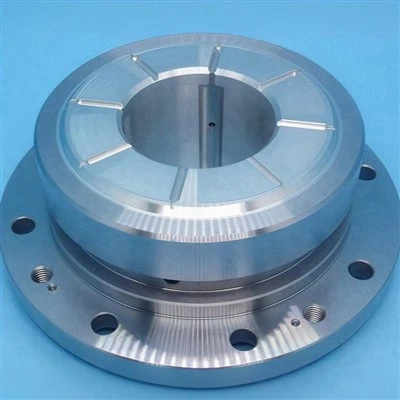
As a fluid film bearings supplier, we understand the importance of providing high – quality bearings with low noise levels. Our team of experienced engineers can help you select the most suitable bearing for your specific application, taking into account all the factors that contribute to noise generation. We also offer customized solutions to meet your unique requirements.
Fluid Film Bearings If you are in need of fluid film bearings and want to learn more about how we can help you reduce noise and improve the performance of your equipment, we invite you to contact us for a purchase discussion. Our experts are ready to assist you in finding the best bearing solutions for your needs.
References
- Harris, T. A., & Kotzalas, M. N. (Eds.). (2007). Harris’ Rolling Bearing Analysis. Wiley.
- Szeri, A. Z. (2005). Fluid Film Lubrication: Theory and Design. Cambridge University Press.
- Khonsari, M. M., & Booser, E. R. (2001). Applied Tribology: Bearing Design and Lubrication. Wiley.
Wenzhou Zhengbang Bearing Co., Ltd.
We are one of the most professional fluid film bearings manufacturers and suppliers in China. With abundant experience, we warmly welcome you to buy customized fluid film bearings at competitive price from our factory. If you have any enquiry about free sample, please feel free to email us.
Address: Units 1-1 and 3-1, Building 12, Yongxing Nanyuan Small and Micro Enterprise Startup Park, Binhai 2nd Road, Yongxing Subdistrict, Longwan District, Wenzhou City, Zhejiang Province.
E-mail: zbbearing@zbbearing.com
WebSite: https://www.zb-bearings.com/
