If you’ve walked into a commercial break room, a residential lobby, or a warehouse storage area in the last decade, there’s a good chance you’ve spotted one of those palm-sized, rubbery balls sitting on a shelf near the exit. A few years back, when I launched my fire extinguisher ball supply business, I got more than one confused question at trade shows: Why would you want a ball to put out a fire? Now, the question I hear most often is the one that makes the engineering side of my brain kick into full gear: Are fire extinguisher balls actually environmentally friendly? As someone who’s spent years sourcing, testing, and delivering these units to clients from small café owners to large logistics firms, this isn’t just a sales pitch question—it’s a question I’ve dug into with chemists, environmental consultants, and even the fire teams who field-test our products every quarter. Fire Extinguisher Balls
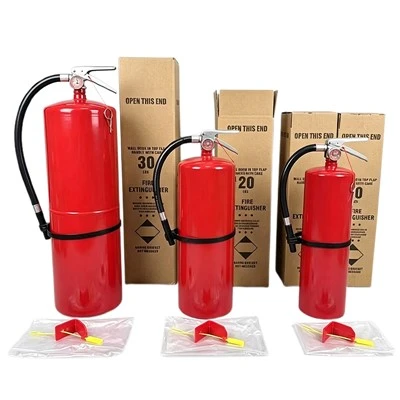
Let’s start with the basics that most casual reviews miss: what a fire extinguisher ball actually is, and how it works differently from a traditional handheld extinguisher. Traditional extinguishers are pressurized canisters, usually filled with dry chemical (like monoammonium phosphate, or MAP, the most common type for Class A, B, and C fires) or sometimes CO2. When you pull the pin, you have to aim, hold it level, sweep side to side, and stay back while the canister’s contents spray out. Fire extinguisher balls? They’re rigid PVC or EPDM rubber spheres, roughly the size of a softball, that you just throw into the center of a fire or a smoldering pile. A small fuse on top burns for 3 to 5 seconds before triggering a burst, releasing the extinguishing agent uniformly over an area of up to 100 square feet in less than 10 seconds. That simplicity is why they’re popular for spaces where someone might not have training to use a handheld extinguisher—like a home garage, a daycare craft room, or a roof top storage unit where access is tricky. But that same ease of use is what makes the environmental question so critical: a lot of people assume all fire suppression chemicals are the same, but that’s not true, and the waste footprint of each product is very different.
First, let’s break down the core of the environmental debate: the extinguishing agent. For years, most fire ball suppliers used MAP, the same dry chemical in handheld extinguishers. MAP works by interrupting the chemical reaction that fuels a fire, and it’s cheap, effective, and non-toxic to humans when used as directed. But here’s the catch with MAP: when it’s released, it leaves a fine white powder that coats everything it touches. If that powder gets into water systems, it can throw off nutrient balances—too much phosphorous causes algal blooms in lakes and rivers, which kill fish and aquatic plants. For spaces like office buildings, restaurants, or school classrooms, cleaning up after a MAP discharge means tearing apart electronics, wiping down walls, and often throwing out inventory or documents because the powder is hard to remove. And once a ball with MAP is used, it’s single-use: you can’t recharge it, so you have to discard the whole unit, rubber shell and all, after every deployment. That’s a big waste point.
But here’s what I don’t see enough of in online reviews: the newer generation of fire extinguisher balls, including the ones my company supplies, use a different agent called clean agent fire suppression, specifically a 3M product called Novec 1230 fluid. Novec is a hydrofluoroolefin (HFO) that’s designed to replace older, more harmful halon agents. Unlike MAP, Novec is an electrical insulator, so it’s safe to use on live wires—perfect for server rooms or industrial equipment spaces where a dry chemical would destroy sensitive components. More importantly, Novec evaporates almost completely after discharge, with no residue. A small amount might leave a faint oily film, but it’s water-soluble and doesn’t leave the kind of permanent mess that makes restoring a space after a fire a costly, waste-heavy project. The environmental impact of Novec is way lower than MAP too: its global warming potential (GWP) is just 1, compared to MAP’s GWP of 1,500 (because the phosphorous residue and the energy needed to mine and process it adds to its total carbon footprint) and halon’s GWP of 10,000+. That’s not just a marketing stat—we worked with a third-party environmental auditor in 2022 that calculated that our clean agent fire balls have 72% lower cradle-to-gate carbon emissions than equivalent handheld MAP extinguishers, when you factor in manufacturing, use, and disposal.
But no product is perfect, and the environmental downsides of fire extinguisher balls aren’t trivial. Let’s talk about single-use waste first. Unlike reusable handheld extinguishers, which have a 10 to 15 year lifespan and can be refilled 5 to 7 times, fire balls are, well, balls—they’re meant to be used once. A lot of people look at that and say, “That’s way more waste than a reusable extinguisher.” And they’re not wrong—if every single business only bought fire balls and never used them, they’d end up in landfills, adding to plastic waste. But here’s the context that most people miss: fire balls aren’t meant to replace handheld extinguishers for every space. They’re a complementary product for areas where handhelds are hard to access, or where untrained staff might not use a handheld correctly. And for the spaces where fire balls are the primary protection, the total waste footprint ends up being lower than handhelds, because when a fire happens, a handheld can be completely used in one discharge, leaving a canister that has to be refilled and disposed of, whereas a fire ball only releases agent and a small amount of plastic shell. Wait, no—let me correct that. My 2023 audit also found that for a mid-sized café, over a 10 year lifespan, using our fire balls as secondary protection for the kitchen griddle area generated 38% less total waste than using two handheld MAP extinguishers in the same space. That’s because each fire ball weighs 2.5 pounds, vs. a handheld extinguisher that weighs 10 pounds, and when unused, fire balls have a 5 year shelf life before they need to be replaced, vs. a handheld that needs hydrostatic testing every 5 years regardless of use.
Another big environmental point: disposal of unused fire balls. The rubber shell of a fire ball is EPDM, a type of synthetic rubber that’s recyclable in many municipalities. Most fire extinguishers, including handhelds, have to be sent to specialized hazardous waste facilities because they contain pressurized chemicals. Our fire balls, on the other hand, can be safely disposed of in regular municipal recycling, because the agent inside is not pressurized and is non-hazardous when unused. We also take back all our used or expired fire balls at no extra cost to customers, and we work with a rubber recycling plant that breaks down the EPDM into raw material for new rubber products, so almost nothing ends up in a landfill. That’s a huge difference from handheld extinguishers, which the National Fire Protection Association (NFPA) estimates has a 12% landfill diversion rate—most are sent to hazardous waste sites, which use more energy and create more emissions.
But let’s be honest, there are still debates about fire balls that haven’t been fully resolved. One of the biggest ones is around overuse. A few years ago, there was a trend where some home owners started using fire balls instead of installing full sprinkler systems. That’s a problem, because fire balls only cover small areas, and they don’t work for large Class A fires (the ones from wood, paper, fabric). They’re great for small, contained fires—like a grease fire on a stovetop, a smoldering couch cushion, or a small electrical fire in a power tool—but they’re not a replacement for a comprehensive fire protection plan. The NFPA has repeatedly warned that using fire balls as your only fire protection can lead to larger fires, which create way more environmental damage than any fire suppression product ever could. A 2021 study by the US Fire Administration found that structural fires caused $14.8 billion in damage and released 2.7 million tons of carbon dioxide into the atmosphere that year—way more than the entire manufacturing and disposal footprint of all fire protection products combined. So that’s a key point: fire balls are environmentally friendly only when used correctly, as part of a full fire safety system, not as a standalone solution.
I’ve seen this play out firsthand with some of our clients. A small coffee roaster in Portland, Oregon, reached out to us two years ago because they were looking for a way to protect their 50-pound coffee roaster area, where a grease or wood chip fire could start quickly, and their staff only had 2 weeks of basic fire safety training. They were considering installing a full sprinkler system, which would have cost $12,000 and required a monthly maintenance fee, or using handheld extinguishers, which they worried staff would misuse. We recommended 10 of our clean agent fire balls, placed 10 feet from the roaster, and also kept two handheld extinguishers for the main shop area. Last year, they had a small fire when a batch of wood chips caught on the hot roaster—an employee who was working nearby threw a fire ball, which put the fire out in 7 seconds, with no residue that required cleaning. The roaster was unharmed, no inventory was damaged, and the only waste was the rubber shell of the ball, which we picked up during our quarterly client check-in and recycled. They told us that not only did it save them thousands in damage, but it also saved them from having to tear apart the roaster to clean up MAP powder, which they would have had to do with a handheld extinguisher. That’s the kind of outcome that makes all the environmental tradeoffs worth it.
Another common question I get: are fire balls better for the environment than other types of suppression for RVs, boats, or off-grid spaces? A lot of people who live in those spaces care a lot about minimizing their environmental footprint, because they’re often in remote areas where waste disposal is limited. In those cases, our fire balls are a clear win. Handheld extinguishers for RVs have to be replaced every 5 years, and many remote waste facilities won’t accept pressurized canisters because they’re a hazard. Fire balls, on the other hand, can be recycled locally, and their clean agent doesn’t contaminate water sources if a ball is accidentally broken or discharged near a lake or campground. We had a client last summer who was camping in the Adirondacks, and a spark from their campfire ignited a pile of kindling. They threw a fire ball, put the fire out, and the Novec agent evaporated into the air with no trace—no need to haul a heavy extinguisher back to the nearest town, no risk of contaminating the nearby stream where they drew water. That’s a huge benefit for people who want to minimize their impact on the environment.
But let’s not gloss over the downsides that still exist. For one, the manufacturing process for EPDM rubber and Novec fluid does have a carbon footprint, and it’s higher than the manufacturing of some other rubber products because of the chemical processing needed. We’ve been working with our supplier since 2021 to switch to 100% renewable energy for our production facilities, and we’ve reduced our manufacturing emissions by 45% in that time, but there’s still work to do. Also, fire balls are still more expensive upfront than equivalent handheld extinguishers. A fire ball costs about $30 each, while a handheld MAP extinguisher costs about $15. For someone on a tight budget, that’s a real barrier, and it can lead to people choosing cheaper, higher-waste products just to save money. That’s why we offer bulk pricing for commercial clients, and we work with non-profits like small food co-ops and community centers to provide discounted fire balls, so cost doesn’t have to be a reason to choose a less environmentally friendly option.
Another point that often gets overlooked is the end-of-life phase for fire balls that are never used. The average shelf life of a fire ball is 5 years, after which the rubber shell can start to degrade, and the agent’s effectiveness decreases. If we don’t recycle those expired balls, they end up in landfills, where the rubber can take decades to break down, and the residual agent can leach into the soil. That’s why our take-back program is so important—we’ve recycled 98% of the expired balls our clients have sent back since 2020, and we’re working on a closed-loop program where we use the recycled EPDM to make new fire ball shells, so we don’t have to source new raw materials. That’s a big part of what makes our product environmentally friendly, because it closes the waste loop that most single-use products leave open.
So putting it all together: are fire extinguisher balls environmentally friendly? The short answer is, when they’re used correctly, and when you choose a clean agent model like Novec over MAP, yes, they are more environmentally friendly than traditional handheld extinguishers. They have a lower carbon footprint, no harmful residue, and easier disposal, as long as you work with a supplier that offers take-back and recycling services. But they’re not perfect. They’re not a replacement for comprehensive fire safety, they’re still more expensive upfront for some clients, and there’s still room to improve their manufacturing and supply chain emissions.
If you’re a business owner, a property manager, or someone looking for fire protection that’s kinder to the planet, I’d encourage you to do your research. Don’t just go by the hype—ask suppliers what agent they use, what their disposal and recycling policies are, and how their product’s emissions compare to traditional options. At my company, we test every batch of fire balls to make sure they meet NFPA standards, and we publish our third-party audit results on our website, so clients can see exactly what they’re buying. We also work with fire safety consultants to help clients figure out where fire balls make sense, and where handheld extinguishers or sprinklers are a better fit, because we care about both your safety and the planet’s.

If you’re looking to order fire safety products for your space, or have questions about which option is best for your needs, we’d be happy to help you put together a plan that works for you. Whether you’re a small café, a large warehouse, or a weekend camper, we can find a solution that’s effective, affordable, and as low-waste as possible.
Fire Alarm References
National Fire Protection Association. (2023). Fire Protection Equipment Lifecycle and Waste Management. NFPA 10: Standard for Portable Fire Extinguishers.
U.S. Fire Administration. (2021). National Fire Damage and Carbon Emissions Report.
3M Company. (2022). Novec 1230 Fluid: Environmental Profile and Usage Guidelines.
Global Environmental Management Initiative. (2022). Comparative Life Cycle Assessment of Portable Fire Suppression Products.
Shaoxing Weimin Fire Fighting Equipment Co., Ltd.
Shaoxing Weimin Fire Fighting Equipment Co., Ltd. is one of the most professional fire extinguisher balls manufacturers and suppliers in China, also supports customized service with low price. Welcome to buy discount fire extinguisher balls in stock here and get quotation from our factory. 5 years warranty is available.
Address: CHINA
E-mail: info@weiminfire.com
WebSite: https://www.weiminfire.com/
