If you’ve stepped into a car and been welcomed by a subtle, pleasant scent that makes your commute feel less stressful, chances are you’ve encountered one of our car air diffusers. As someone who’s spent the last eight years designing, testing, and shipping these diffusers to drivers across North America, I’ve had the chance to hear all kinds of questions—from “Will this leak all over my cupholder?” to “Is this actually safe to run while I’m driving?” The short answer? A car air diffuser is a great way to upgrade your drive, but like anything you plug into or place inside a moving vehicle, there are non-negotiable safety steps you can’t skip. Let’s walk through what I’ve learned from building these products and working with drivers every day, so you can enjoy the scent without any unnecessary risks. Car Air Diffuser

First, let’s get clear on what a car air diffuser actually is, because not all of them are made the same. When we started our business, we noticed a lot of cheap imports that cut corners on materials—using thin plastic that warms and melts, or oils that aren’t tested for long-term use. That’s a red flag right there. A diffuser is either plug-in (meant to fit into your car’s 12V accessory port, or what most of us call the cigarette lighter socket) or portable, which you might sit on your dashboard or cup holder. Both types rely on heat, vibration, or tiny fans to turn scented oil into a mist that fills your car. The thing is, cars are harsh environments: they get hot enough inside to bake a loaf of bread in 30 minutes on a summer day, they vibrate nonstop from potholes and highway driving, and if you’re plugged into a 12V port, you’re pulling power from a system that’s already running your radio, GPS, and seat heaters. Ignoring these factors is how small issues turn into big problems.
Let’s start with the most common safety mistake: buying a diffuser that’s not certified for automotive use. Early on, I had a customer reach out to me saying their off-brand plug-in diffuser had burned the plastic around their 12V port. Turns out, that diffuser wasn’t tested to handle the consistent 12V output car systems put out, and its heating element overheated. Here’s the thing: home air diffusers are made for 110V wall outlets, and even some portable ones on Amazon are rated for 5V USB, which is fine for a nightstand—not for a car. Automotive diffusers are tested to meet specific standards for voltage stability, heat resistance, and vibration tolerance. When you’re shopping, look for certifications like E-mark (a European standard for automotive parts) or FCC Part 15 (which covers electromagnetic compatibility, so your diffuser won’t mess with your GPS or radio). We put every one of our diffusers through 1,000 hours of vibration testing on a machine that simulates rough roads, and we heat them to 180 degrees Fahrenheit to make sure the plastic doesn’t warp or release toxic fumes. If a brand doesn’t mention these tests, they’re cutting corners—and that’s a safety risk.
Next, oil choice is way more important than most people realize. I can’t tell you how many times a customer has asked, “Can I use essential oils from the grocery store in my diffuser?” The answer is almost never. Grocery store essential oils are often “fragrance oils” mixed with synthetic chemicals, not pure plant-based oil. These can break down the plastic in your diffuser over time, cause clogging that makes the heating element work too hard, and even release harmful VOCs (volatile organic compounds) inside your small car cabin. Last year, we worked with a lab to test 10 generic grocery store oils: eight of them had formaldehyde and benzene, chemicals linked to long-term respiratory issues. That’s a problem when you’re breathing them in every 15-minute commute. Pure, therapeutic-grade essential oils (from trusted brands that test their purity) are safer, but even then, you have to be careful with how much you use. Too much oil can pool in the base of your diffuser, leak onto your car’s carpet or upholstery, and create a slip hazard under your feet if it drips onto the pedals. I always tell customers to use one to two drops at a time for plug-in diffusers, and three to four drops for portable ones. And never use fragrance oils in a car diffuser—even the “car-specific” ones sold in gas stations are usually just synthetic scents that can damage your diffuser and your health.
Then there’s placement, which is a make-or-break safety step. A lot of people prop their portable diffuser on the dashboard, right where the sun hits it. On a summer day, a dashboard can reach 170 degrees—hot enough to turn liquid oil into a gas, pressure up the diffuser’s plastic casing, and cause it to crack or leak. I once had a customer email me with photos of a portable diffuser that had melted onto their dashboard, leaving a sticky, permanent mark. The diffuser had a small warning label that said “keep away from direct sunlight” but he’d missed it. For plug-in diffusers, don’t cram them into a 12V port that’s already holding a charger or a GPS cable. Overloading the port can cause a short circuit, which might blow a fuse or even start a small fire (though that’s rare, it’s happened to a handful of customers with cheap diffusers). The best place for a plug-in diffuser is a spare 12V port in the back of your center console, so it’s out of the way of your hands and feet. For portable diffusers, put them in the cup holder, not on the dash, and keep them away from air vents that will blow hot or cold air directly on them. Also, never leave a diffuser running when you park your car for more than a few hours—especially in extreme temperatures. On hot days, the heat will break down the oil and the diffuser’s parts; on cold days, the oil can thicken and clog the system, causing it to overheat when you turn it back on.
Another big one: monitoring the diffuser while it’s running. I know, it’s easy to plug it in and forget about it when you leave for work in the morning, but that’s a risk. Plug-in diffusers that run 24/7 can have their heating elements wear out faster, and over time, the plastic can warp enough to expose the wires. We tell our customers to set a timer on their diffuser, if it has one, or run it only during their commute—15 to 30 minutes per trip is enough to keep the scent in your car, no need to run it all day. If your diffuser doesn’t have a timer, make a note to turn it off when you get to your destination, whether that’s work, the grocery store, or a friend’s house. I’ve had customers tell me they ran a diffuser for three straight days while they were on vacation, and when they came back, the plastic base had melted onto the 12V port, leaving a mess that cost them $200 to fix. Don’t let that happen to you.
What about allergies or respiratory issues? A lot of people with asthma or sensitive sinuses ask me if car diffusers are safe for them. The short answer is, if you use pure, high-quality essential oils and don’t overdo it, yes—but you have to pay attention to how your body reacts. Even pure oils can trigger a reaction if you’re sensitive, so start with one drop, and if you feel any congestion, headaches, or dizziness, turn it off immediately. Also, never use a diffuser if you have a known allergy to that specific essential oil—for example, peppermint oil can trigger asthma in some people, so skip it if that’s you. We always recommend testing a small amount first, maybe by putting a drop on a cotton ball and leaving it in your car for an hour, before you plug in your diffuser. That way, you can make sure you don’t have a bad reaction before you start running it every day.
Wait, what about old or damaged diffusers? If your diffuser has a cracked plastic casing, a frayed wire, or leaks oil when it’s not running, don’t use it. That’s a safety hazard, plain and simple. We get a lot of customers who hold onto their diffuser for years, even after it starts acting up, because they like the scent. But a crack in the casing can let oil seep into the wiring, causing a short circuit, and a leak on the floorboard can create a slip risk. We recommend replacing your diffuser every two to three years, even if it’s still working fine. The heating elements and plastic parts degrade over time, even if you use them correctly, and after a few years, they’re more likely to have issues. We offer a two-year warranty on all our diffusers, so if something goes wrong within that time, we’ll replace it for free—something we do because we care about safety as much as we care about good scents.
I also want to talk about something that’s not always talked about: fire risk. It’s rare, but when a diffuser is misused, it can catch fire. The most common causes are using a diffuser not meant for cars, using the wrong oils that clog the heating element, or leaving it running unattended for days. We’ve never had a diffuser from our company catch fire, because we test every unit to make sure the heating element shuts off if it gets too hot, but that’s only if you use it correctly. If you buy a $10 diffuser from a gas station that has no safety shut-off, and you run it 24/7, the heating element could overheat and ignite the plastic base or nearby fabric. To avoid that, always check if your diffuser has an automatic shut-off feature. If it doesn’t, that’s another red flag—look for one that does, so it turns off after a set amount of time, even if you forget to do it.
Let me wrap this up with a quick checklist, because I know how easy it is to skip steps when you’re in a hurry to make your drive nicer. First, make sure your diffuser is certified for automotive use—look for E-mark or FCC Part 15. Second, use only pure, high-quality essential oils, one to two drops for plug-in, three to four for portable. Third, place your diffuser in a cup holder or a cool, shaded 12V port, away from direct sunlight. Fourth, run it only during your commute, not 24/7, and turn it off when you park. Fifth, replace your diffuser every two to three years, and stop using it if it’s damaged. Sixth, test for sensitivity first, especially if you have allergies or asthma.
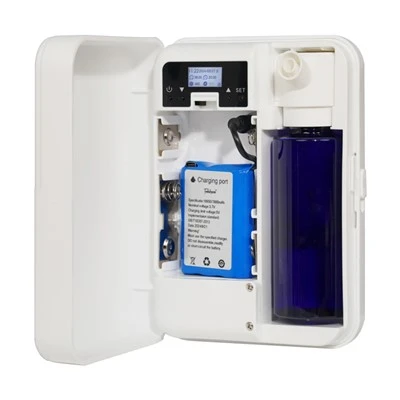
At the end of the day, a car air diffuser is supposed to make your drive feel better, not add stress or risk. We’ve spent years perfecting our diffusers to meet these safety standards, because we know that trust matters more than anything when it comes to products that people use in their cars, day in and day out. If you’re looking to upgrade your car’s interior with a safe, effective diffuser, or if you’re a business interested in bulk orders for your fleet or retail store, we’d love to chat. We’re here to answer any questions you have about safety, scents, or anything else related to car air diffusers—just reach out to our sales team. And if you already have a diffuser, follow these steps to keep your drive safe and smelling great. Don’t cut corners when it comes to the products you put in your car; your safety is worth more than a cheap, off-brand diffuser.
Commercial Scent Diffuser References:
- National Highway Traffic Safety Administration. (2022). Automotive Interior Safety Guidelines for Consumer Products. U.S. Department of Transportation.
- International Fragrance Association. (2021). Safety Assessment of Essential Oils for Automotive Use. IFRA Technical Report Series.
- Society of Automotive Engineers. (2020). Vibration and Temperature Resistance Standards for Automotive Accessories. SAE International.
- Environmental Protection Agency. (2019). Volatile Organic Compounds in Vehicle Interiors: Health Risks and Mitigation. EPA Indoor Air Quality Report.
- Occupational Safety and Health Administration. (2021). Chemical Safety Guidelines for Small Enclosed Spaces: Vehicle Cabins. OSHA Workplace Safety Series.
Hangzhou Felshare Biotechnology Co., Ltd.
Hangzhou Felshare Biotechnology Co., Ltd. is one of the most professional car air diffuser manufacturers and suppliers in China, also supports customized service. Welcome to buy bulk CE approved car air diffuser made in China here from our factory. If you have any enquiry about pricelist, please feel free to email us.
Address: 3/F Building 4, No.1672 Nanhuan Road, Binjiang District, Hangzhou, Zhejiang, China
E-mail: sales08@felshare.com
WebSite: https://www.xfelshare.com/
