As a supplier of white kraft paper, I’ve been constantly exploring ways to enhance its water-resistant properties. White kraft paper is widely used in various industries, from packaging to crafts. However, its natural susceptibility to water can sometimes limit its applications. In this blog, I’ll share some effective methods to make white kraft paper more water – resistant, based on my years of experience in the paper industry. White Kraft Paper
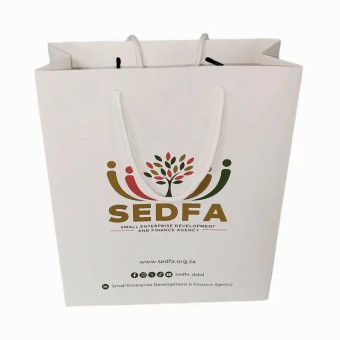
Understanding the Basics of White Kraft Paper
Before delving into the water – resistant techniques, it’s essential to understand the characteristics of white kraft paper. White kraft paper is made from chemical pulp, which gives it high strength and durability. It is known for its smooth surface and bright white color, making it an attractive option for packaging and printing. But the cellulose fibers in the paper absorb water easily, causing the paper to weaken and lose its shape when exposed to moisture.
Surface Coating
One of the most common and effective ways to make white kraft paper more water – resistant is through surface coating. There are several types of coatings available, each with its own advantages.
Wax Coating
Wax coating is a traditional method for waterproofing paper. It involves applying a thin layer of wax to the surface of the white kraft paper. The wax forms a barrier that prevents water from penetrating the paper fibers. The process can be done using hot – melt wax or emulsified wax.
Hot – melt wax coating is a straightforward process. The wax is heated until it melts and then applied to the paper using a roller or a spray. This method provides a thick and uniform coating, which offers excellent water resistance. However, it can make the paper stiffer and less flexible.
Emulsified wax coating, on the other hand, uses a water – based wax emulsion. The emulsion is applied to the paper and then dried. This method is more environmentally friendly and can maintain the paper’s flexibility to a certain extent.
Polymer Coating
Polymer coatings are another popular choice for enhancing water resistance. Polymers such as polyethylene (PE), polypropylene (PP), and polyvinyl chloride (PVC) can be applied to the surface of the white kraft paper.
PE coating is widely used in the packaging industry. It provides a strong and flexible water – resistant layer. The coating can be applied through extrusion coating, where the molten polymer is extruded onto the paper surface. This method creates a seamless and continuous film, offering high – level water protection.
PP coating is similar to PE coating but has better heat resistance. It is often used in applications where the paper may be exposed to high temperatures, such as in food packaging.
PVC coating is known for its excellent chemical resistance in addition to water resistance. However, it has some environmental concerns due to the presence of chlorine in the polymer.
Impregnation
Impregnation is a process where the white kraft paper is soaked in a water – resistant solution. The solution penetrates the paper fibers, making the entire paper structure more water – resistant.
Resin Impregnation
Resin impregnation involves soaking the paper in a resin solution. Resins such as phenolic resin, melamine resin, and epoxy resin can be used. These resins react with the cellulose fibers in the paper, forming a cross – linked network that blocks the entry of water.
Phenolic resin impregnation provides high – strength and water – resistant paper. It is often used in applications where the paper needs to withstand harsh environmental conditions, such as in outdoor packaging.
Melamine resin impregnation gives the paper a smooth and hard surface, in addition to water resistance. It is commonly used in decorative paper applications.
Epoxy resin impregnation offers excellent chemical and water resistance. It is suitable for applications where the paper may come into contact with chemicals or moisture for an extended period.
Oil Impregnation
Oil impregnation is a simple and cost – effective method. The paper is soaked in an oil, such as linseed oil or mineral oil. The oil fills the pores in the paper fibers, preventing water from entering.
Linseed oil is a natural oil that dries slowly and forms a hard and water – resistant film on the paper surface. It is also environmentally friendly. Mineral oil, on the other hand, is a petroleum – based oil that provides immediate water resistance. However, it may have some environmental concerns due to its origin.
Lamination
Lamination is a process where a layer of water – resistant material is bonded to the white kraft paper. This can significantly enhance the paper’s water – resistant properties.
Plastic Film Lamination
Plastic films such as polyethylene terephthalate (PET), polycarbonate (PC), and nylon can be laminated to the white kraft paper. These films provide a strong and transparent water – resistant layer.
PET film lamination is widely used in packaging applications. It has high strength, good clarity, and excellent moisture barrier properties. The lamination can be done using an adhesive or through heat – sealing.
PC film lamination offers high – impact resistance in addition to water resistance. It is suitable for applications where the paper may be subject to mechanical stress, such as in protective packaging.
Nylon film lamination provides good oxygen and moisture barrier properties. It is often used in food packaging to extend the shelf life of the products.
Aluminum Foil Lamination
Aluminum foil lamination is another effective way to make white kraft paper more water – resistant. The aluminum foil acts as a barrier to both water and air. It also provides some insulation properties.
The aluminum foil can be laminated to the paper using an adhesive. This method is commonly used in high – end packaging applications, such as for luxury goods or pharmaceutical products.
Environmental Considerations
In today’s environmentally conscious world, it’s important to consider the environmental impact of the water – resistant treatments. Some of the traditional methods, such as PVC coating and oil impregnation with petroleum – based oils, may have negative environmental effects.
When choosing a water – resistant treatment, look for eco – friendly options. For example, water – based coatings and natural oils can be used as alternatives. Additionally, consider the recyclability of the treated paper. Some coatings and laminations may make the paper difficult to recycle, so it’s important to balance the water – resistant performance with the environmental impact.
Conclusion
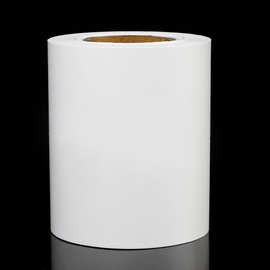
Making white kraft paper more water – resistant is crucial for expanding its applications in various industries. Surface coating, impregnation, and lamination are all effective methods to achieve this goal. Each method has its own advantages and disadvantages, and the choice depends on the specific requirements of the application.
Kraft Paper for Carton Handles As a white kraft paper supplier, I’m committed to providing high – quality paper products with enhanced water – resistant properties. If you’re interested in learning more about our products or discussing your specific needs, please feel free to contact us for procurement and negotiation. We’re here to help you find the best solution for your business.
References
- "Handbook of Paper and Paperboard Packaging Technology" by Hanser Gardner Publications
- "Paper Chemistry" by James P. Casey
- "Packaging Materials and Processes" by John A. Robertson
Senzo New Material Group Co., Ltd.
As one of the most professional white kraft paper manufacturers and suppliers in China, we also support customized service. Please rest assured to buy high quality white kraft paper made in China here from our factory. For price consultation, contact us.
Address: Dongying Bonded Area, Shandong, P. R. China
E-mail: info@aonuochina.cn
WebSite: https://www.senzopaper.com/
