In the competitive landscape of the footwear industry, understanding the nuances between different types of footwear machines is not just beneficial—it’s essential. As a seasoned supplier of footwear machines, I’ve witnessed firsthand how these variations can significantly impact production efficiency, product quality, and overall business success. In this blog post, I’ll explore the key differences among various footwear machines, shedding light on their unique features, applications, and advantages. FOOTWEAR MACHINE

Cutting Machines
Cutting machines are the starting point in the footwear manufacturing process, responsible for precisely shaping leather, fabric, and other materials. There are several types of cutting machines, each with its own set of characteristics.
Die – Cutting Machines
Die – cutting machines are widely used in the footwear industry due to their high precision and efficiency. These machines use a die, which is a specialized tool with a sharp edge in the shape of the desired pattern. The die is pressed onto the material, cutting it accurately. Die – cutting machines are suitable for mass – producing simple and repetitive patterns. They can handle a wide range of materials, from thin fabrics to thick leather. However, the initial cost of creating dies can be relatively high, and they are less flexible when it comes to making design changes.
Laser Cutting Machines
Laser cutting machines offer a more flexible and precise alternative. They use a high – powered laser beam to cut through materials. One of the main advantages of laser cutting is its ability to create intricate and detailed patterns with ease. Laser cutting machines can quickly adjust to different designs, making them ideal for small – batch production and custom – made footwear. Additionally, they produce a clean cut with minimal fraying. However, laser cutting machines are generally more expensive than die – cutting machines, and they require more technical expertise to operate.
Stitching Machines
Stitching is a crucial step in footwear assembly, and different stitching machines are designed to meet various requirements.
Single – Needle Lockstitch Machines
Single – needle lockstitch machines are the most common type of stitching machines in the footwear industry. They create a simple and strong stitch by interlocking the upper and lower threads. These machines are versatile and can be used for a variety of stitching tasks, such as attaching the upper to the sole or adding decorative stitching. Single – needle lockstitch machines are relatively easy to operate and maintain, making them a popular choice for small – to – medium – sized footwear manufacturers.
Multi – Needle Stitching Machines
Multi – needle stitching machines are designed for high – speed production. They can stitch multiple parallel lines simultaneously, significantly increasing productivity. These machines are often used for tasks like attaching bindings or creating decorative patterns on the upper. However, they are more complex to set up and operate compared to single – needle machines. They also require more frequent maintenance to ensure consistent stitch quality.
Lasting Machines
Lasting machines are used to shape the upper of the shoe around the last, which is a three – dimensional model of the foot.
Manual Lasting Machines
Manual lasting machines require an operator to manually position and stretch the upper material around the last. These machines are suitable for small – scale production and custom – made footwear, as they offer a high degree of control. However, they are labor – intensive and have a lower production rate compared to automated machines.
Automatic Lasting Machines
Automatic lasting machines are designed for high – volume production. They can perform the lasting process automatically, from clamping the upper to stretching and attaching it to the sole. These machines are equipped with sensors and advanced control systems to ensure accurate and consistent results. Automatic lasting machines can significantly reduce labor costs and increase production efficiency, but they are more expensive to purchase and maintain.
Sole – Attaching Machines
Sole – attaching machines are responsible for bonding the sole to the upper of the shoe.
Cementing Machines
Cementing machines use an adhesive to bond the sole and the upper. They are suitable for a wide range of sole materials, including rubber, polyurethane, and leather. Cementing machines can apply the adhesive evenly and precisely, ensuring a strong and durable bond. However, the curing time of the adhesive can affect the production speed, and proper ventilation is required to handle the fumes generated by the adhesive.
Injection Molding Machines
Injection molding machines are used to create soles by injecting molten plastic or rubber into a mold. This method is ideal for mass – producing soles with complex shapes and designs. Injection molding offers high precision and consistency in sole production. It also allows for quick production cycles, as the molten material solidifies rapidly. However, the initial investment in injection molding machines and molds is relatively high, and they are less suitable for small – batch production.
Advantages of Choosing the Right Footwear Machines
Selecting the appropriate footwear machines for your production needs can bring numerous benefits. Firstly, it can improve production efficiency. For example, using an automatic lasting machine can significantly reduce the time required to shape the upper, allowing you to produce more shoes in a shorter period. Secondly, the right machines can enhance product quality. Laser cutting machines can create more precise patterns, and injection molding machines can produce soles with better dimensional accuracy. Thirdly, choosing suitable machines can help you save costs in the long run. Although some advanced machines may have a higher upfront cost, they can reduce labor costs and waste, leading to overall cost savings.
How to Select the Best Footwear Machines for Your Business
When choosing footwear machines, several factors should be considered. Firstly, assess your production volume. If you are a small – scale manufacturer, manual or semi – automatic machines may be more suitable. For large – scale production, fully automatic machines are recommended. Secondly, consider the types of footwear you produce. If you focus on high – end, custom – made shoes, machines that offer greater precision and flexibility, such as laser cutting and manual lasting machines, may be needed. Thirdly, evaluate the cost. Compare the initial purchase price, operating costs, and maintenance costs of different machines. Lastly, look for machines with good after – sales service and technical support to ensure smooth operation.
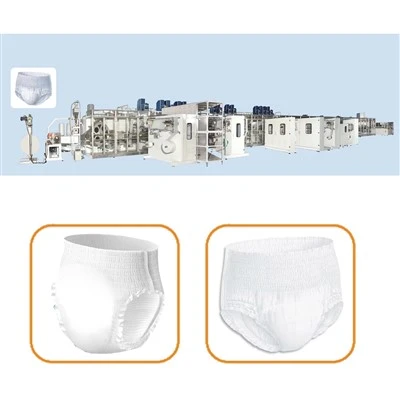
Adult diaper machine In conclusion, the differences between different footwear machines are significant and can have a profound impact on your footwear manufacturing business. As a footwear machine supplier, I am committed to helping you understand these differences and choose the most suitable machines for your specific needs. Whether you are looking to upgrade your existing production line or start a new footwear manufacturing business, I have the expertise and a wide range of high – quality machines to meet your requirements. If you are interested in learning more about our footwear machines or would like to discuss your procurement needs, please feel free to contact me. I am always ready to have a detailed discussion and provide you with a customized solution.
References
- "Footwear Manufacturing Technology" by John Softley
- "The Handbook of Footwear Design and Manufacture" edited by Walter Giurini
Quanzhou Bayeux Industrial Co., Ltd.
Address: ROOM 805,BUILDING 3,NO,8 XIANGSHAN ROAD, XIANGSHAN COMMUNITY, QINGYANG STREET, JINJIANG QUANZHOU FUJIAN.
E-mail: yeliqun_520@163.com
WebSite: https://www.qzbayeux.com/
