As a supplier of modified starch, I often encounter inquiries from various customer groups, one of the most interesting being from the vegan community. The question "Can vegans consume modified starch?" is a complex one that delves into the intersection of food science, dietary preferences, and ethical considerations. In this blog, I’ll explore this topic in depth, offering a scientific perspective to help both vegans and those in the food industry make informed decisions. Modified Starch
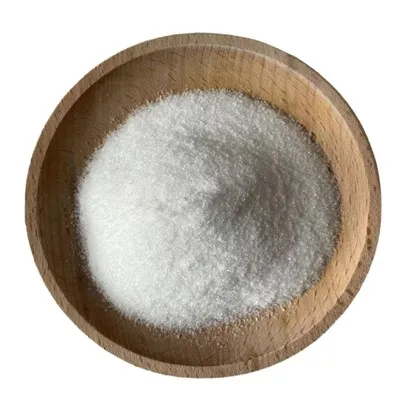
What is Modified Starch?
Modified starch is derived from natural starches, such as corn, potato, wheat, or tapioca. Through physical, enzymatic, or chemical processes, the properties of these starches are altered to enhance their functionality in food products. This modification can improve characteristics like thickening, stabilizing, emulsifying, and gelling abilities, making it a popular ingredient in a wide range of food applications, from bakery items and dairy products to sauces and convenience foods.
The Vegan Diet: A Quick Overview
Veganism is more than just a diet; it’s a lifestyle choice that seeks to exclude all forms of animal exploitation and cruelty. Vegans avoid consuming animal products, including meat, fish, dairy, eggs, and honey. Their dietary choices are driven by ethical, environmental, and health concerns. When it comes to food ingredients, vegans are vigilant about ensuring that everything they eat aligns with their principles.
Is Modified Starch Vegan-Friendly?
The short answer is that most modified starches are vegan-friendly. Since modified starches are primarily derived from plant sources, they start off as a suitable option for vegans. However, the key lies in the modification process. Here are some factors to consider:
1. Raw Materials
As mentioned earlier, common sources of modified starch are plants like corn, potatoes, wheat, and tapioca. These plant-based origins make them inherently vegan. However, in some cases, cross-contamination can occur in facilities where both plant and animal products are processed. This is a concern for strict vegans who want to avoid any potential trace of animal-derived substances.
2. Modification Methods
- Physical Modification: This method involves processes like heating, roasting, or extrusion to change the starch’s properties. Since these processes do not involve the use of animal-derived substances, physically modified starches are generally considered vegan.
- Enzymatic Modification: Enzymes are used to break down or modify the starch molecules. While most enzymes are produced through microbial fermentation, which is vegan-friendly, there are some cases where enzymes may be derived from animal sources. Vegans should look for products that specify the use of microbial or plant-derived enzymes.
- Chemical Modification: Chemicals such as acids, alkalis, or cross-linking agents are used to modify the starch. These chemicals are typically synthetic and do not contain animal products. However, the manufacturing process may involve equipment that has also been used to process animal products, leading to potential cross-contamination.
3. Additives and Co-Products
In some cases, modified starches may be used in combination with other ingredients in a food product. These additives or co-products could potentially be animal-derived. For example, a sauce thickened with modified starch may also contain milk or egg products. Vegans need to carefully read the ingredient labels to ensure that all components of the product are vegan.
Assuring the Vegan-Friendliness of Modified Starch
To address the concerns of vegan consumers, our company takes several steps to ensure that our modified starches are suitable for their diets:
1. Source Selection
We carefully select our raw materials, sourcing them from suppliers who adhere to strict quality and ethical standards. Our corn, potatoes, wheat, and tapioca are all plant-based and free from animal contamination.
2. Modification Processes
We use only microbial or plant-derived enzymes in our enzymatic modification processes. Our chemical modification methods rely on synthetic chemicals that are free from animal products. We also have strict cleaning and sanitation protocols in place to prevent cross-contamination in our manufacturing facilities.
3. Testing and Certification
We conduct regular testing on our modified starches to ensure their purity and compliance with vegan standards. We also seek third-party certifications, such as vegan certification, to provide our customers with additional assurance.
The Benefits of Using Our Modified Starch for Vegan Products
- Functionality: Our modified starches offer excellent thickening, stabilizing, and emulsifying properties, making them ideal for use in vegan food products. They can help improve the texture, appearance, and shelf life of vegan alternatives to meat, dairy, and other animal-based products.
- Versatility: Our modified starches can be used in a wide range of vegan applications, including bakery goods, dairy alternatives, sauces, dressings, and frozen desserts. They can be easily incorporated into existing recipes or used to develop new and innovative vegan products.
- Quality and Consistency: We are committed to providing our customers with high-quality modified starches that meet their specific needs. Our products are manufactured using state-of-the-art technology and strict quality control measures to ensure consistency and reliability.
Conclusion
In conclusion, most modified starches can be consumed by vegans, provided that they are derived from plant sources and do not contain any animal-derived substances or cross-contamination. As a modified starch supplier, we understand the importance of meeting the dietary needs and preferences of all our customers, including vegans. We take pride in offering high-quality, vegan-friendly modified starches that are suitable for a wide range of food applications.
If you are a vegan food manufacturer or a distributor looking for a reliable source of modified starch, we would be delighted to discuss your requirements. Our team of experts can provide you with detailed information about our products, including their specifications, applications, and certifications. We can also work with you to develop customized solutions that meet your specific needs.
Antioxidants Contact us today to start a conversation about how our modified starches can enhance the quality and functionality of your vegan products. We look forward to hearing from you and partnering with you to create delicious and sustainable vegan food options.
References
- American Association of Cereal Chemists. (2010). Starch Modification: Challenges and Opportunities. AACC International.
- Bock, K., & Pedersen, C. (2004). Carbohydrate Chemistry. Springer Science & Business Media.
- Eliasson, A.-C. (2004). Starch in Food: Structure, Function and Applications. Woodhead Publishing.
- Kulkarni, P., & Vijayanand, M. S. (2016). Modified Starches: Production, Properties, and Applications. CRC Press.
- Shewry, P. R. (2011). Cereal Grains: Assessing and Improving Quality. John Wiley & Sons.
Fudijia (Tianjin) Supply Chain Co., Ltd.
With abundant experience, we re one of the most professional modified starch manufacturers and suppliers in China. We warmly welcome you to wholesale bulk high quality modified starch made in China here from our factory. For more information, contact us now.
Address: 301-2-1C,Jin Bin Jie Zuo,No.98, Huanghai Road,TEDA, Tianjin, China
E-mail: foodchem@hjlfoods.com
WebSite: https://www.ifoodchem.com/
