Transformers are the heart of electrical power systems, playing a crucial role in stepping up or stepping down voltage levels to ensure efficient power transmission and distribution. A transformer radiator is a vital component of a transformer, responsible for dissipating the heat generated during its operation. Ensuring the reliability of a transformer radiator is essential for the overall performance and longevity of the transformer. As a transformer radiator supplier, I have witnessed firsthand the challenges and solutions related to radiator reliability. In this blog, I will share some insights and practical strategies on how to improve the reliability of a transformer radiator. Transformer Radiator
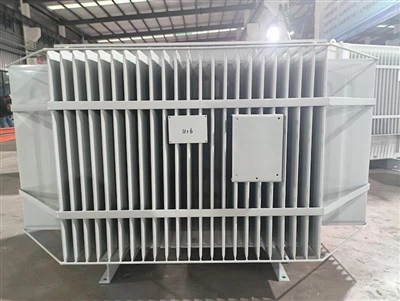
Understanding the Factors Affecting Transformer Radiator Reliability
Before delving into improvement strategies, it is important to understand the key factors that can affect the reliability of a transformer radiator. These factors can be broadly categorized into design, manufacturing, installation, operation, and maintenance aspects.
Design Factors
- Heat Dissipation Capacity: The design of the radiator should be able to effectively dissipate the heat generated by the transformer under various load conditions. Inadequate heat dissipation capacity can lead to overheating, which may damage the transformer insulation and reduce its lifespan.
- Flow Path Design: The flow path of the coolant (usually oil) inside the radiator should be designed to ensure uniform flow and efficient heat transfer. Poor flow path design can result in hot spots and uneven cooling, affecting the radiator’s performance.
- Material Selection: The materials used in the radiator construction, such as fins, tubes, and headers, should have good thermal conductivity, corrosion resistance, and mechanical strength. Using sub – standard materials can lead to premature failure of the radiator.
Manufacturing Factors
- Quality of Welding and Assembly: Good welding and assembly processes are critical for the structural integrity of the radiator. Poor welding can cause leaks, and improper assembly can lead to blockages in the flow path.
- Coating and Surface Treatment: Adequate coating and surface treatment can protect the radiator from corrosion and environmental damage. Incomplete or low – quality coating can expose the radiator to corrosion, reducing its lifespan.
Installation Factors
- Proper Mounting and Alignment: The radiator should be properly mounted and aligned with the transformer to ensure proper coolant circulation. Incorrect mounting can cause stress on the radiator components and affect the flow of the coolant.
- Connection to the Transformer: The connection between the radiator and the transformer, including the piping and valves, should be leak – free and properly tightened. Loose connections can lead to coolant leakage and reduced cooling efficiency.
Operational Factors
- Load Conditions: Excessive or fluctuating loads on the transformer can increase the heat generation, putting more stress on the radiator. Prolonged operation under high – load conditions can accelerate the wear and tear of the radiator components.
- Environmental Conditions: Harsh environmental conditions, such as high temperatures, humidity, dust, and corrosive atmospheres, can affect the radiator’s performance. For example, dust accumulation on the fins can reduce the heat dissipation efficiency, and a corrosive atmosphere can damage the radiator materials.
Maintenance Factors
- Regular Inspections: Regular inspections of the radiator are necessary to detect any signs of damage, such as leaks, corrosion, or blockages. Ignoring small issues can lead to more serious problems over time.
- Cleaning and Maintenance: Cleaning the radiator fins and removing any debris or dirt can improve its heat dissipation efficiency. Additionally, proper maintenance of the coolant, such as regular oil changes, can prevent the formation of sludge and deposits that can block the flow path.
Strategies to Improve Transformer Radiator Reliability
Based on the above factors, here are some effective strategies to improve the reliability of a transformer radiator.
Enhancing Design
- Advanced Heat Transfer Calculations: Use advanced computational fluid dynamics (CFD) and heat transfer analysis tools to optimize the radiator design. These tools can simulate the coolant flow and heat transfer process, allowing for the identification of areas for improvement. For example, by adjusting the fin shape, pitch, and tube layout, we can increase the heat transfer coefficient and reduce the temperature gradient within the radiator.
- Modular Design: Adopt a modular design approach to make the radiator more flexible and easier to maintain. Modular radiators can be easily replaced or expanded according to the transformer’s changing requirements. This also reduces the downtime during maintenance.
- Material Upgrade: Select high – quality materials with excellent thermal conductivity and corrosion resistance. For instance, using aluminum alloy fins instead of traditional steel fins can improve the heat dissipation efficiency and reduce the weight of the radiator. At the same time, the alloy can provide better corrosion resistance in harsh environments.
Improving Manufacturing Processes
- Quality Control: Implement strict quality control measures throughout the manufacturing process. This includes inspection of raw materials, monitoring of welding and assembly processes, and testing of the finished product. Non – destructive testing methods, such as ultrasonic testing and leak testing, can be used to ensure the structural integrity of the radiator.
- Automated Manufacturing: Introduce automated manufacturing technologies to improve the precision and consistency of the radiator production. Automated welding and fin – rolling machines can reduce human errors and improve the quality of the products.
- Surface Treatment Optimization: Use advanced coating and surface treatment techniques to enhance the corrosion resistance of the radiator. For example, applying a zinc – nickel alloy coating can provide better protection against corrosion compared to traditional zinc coatings.
Ensuring Proper Installation
- Installation Guides and Training: Provide detailed installation guides and training to the installation team. The guides should include clear instructions on mounting, alignment, and connection procedures. Training can help the installers understand the importance of proper installation and avoid common mistakes.
- On – site Supervision: Offer on – site supervision during the installation process to ensure that the radiator is installed correctly. This can help to identify and correct any issues in a timely manner, reducing the risk of future problems.
Optimizing Operational Conditions
- Load Management: Work with the transformer operators to develop a load management strategy. This can involve monitoring the transformer load and adjusting the operation mode to avoid overloading. For example, during peak load periods, additional cooling equipment can be used to assist the radiator in dissipating the heat.
- Environmental Protection: Provide solutions to protect the radiator from harsh environmental conditions. This can include installing dust filters, shields, and corrosion – resistant enclosures. Additionally, regular cleaning and maintenance of the radiator in dusty or corrosive environments can help to extend its lifespan.
Strengthening Maintenance
- Maintenance Schedules: Develop a comprehensive maintenance schedule for the transformer radiator. The schedule should include regular inspections, cleaning, coolant analysis, and component replacement. By following a strict maintenance schedule, potential problems can be detected and resolved before they cause serious damage.
- Remote Monitoring: Implement remote monitoring systems to continuously monitor the performance of the radiator. These systems can collect data on temperature, pressure, and coolant flow, allowing for early detection of any abnormalities. Remote monitoring also enables proactive maintenance and reduces the need for frequent on – site inspections.
Conclusion
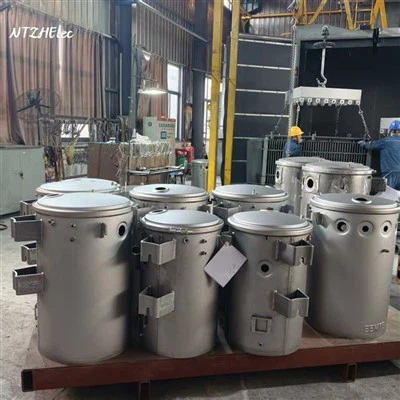
Improving the reliability of a transformer radiator is a multi – faceted process that involves design, manufacturing, installation, operation, and maintenance. By understanding the factors that affect radiator reliability and implementing the appropriate strategies, we can significantly enhance the performance and longevity of the radiator, thereby ensuring the stable operation of the transformer.
Corrugated Transformer Tank As a transformer radiator supplier, we are committed to providing high – quality radiators and comprehensive solutions to meet the diverse needs of our customers. Our team of experts is always ready to offer technical support and guidance on radiator selection, installation, and maintenance. If you are interested in our products or have any questions about improving the reliability of your transformer radiators, please feel free to contact us for further discussion and procurement negotiation.
References
- Duffie, J. A., & Beckman, W. A. (2006). Solar engineering of thermal processes (3rd ed.). Wiley.
- Incropera, F. P., DeWitt, D. P., Bergman, T. L., & Lavine, A. S. (2019). Introduction to heat transfer (6th ed.). Wiley.
- Rudinger, G. (1980). Turbomachinery flow physics and dynamic performance. Wiley.
Nantong Zhihe Electric Co., Ltd.
As one of the most professional transformer radiator manufacturers and suppliers in China, we’re featured by quality products and low price. Please rest assured to wholesale cheap transformer radiator made in China here from our factory. Customized orders are welcome.
Address: NO.202 Jianghai West Road, Hai’an Town, Hai’an City, Jiangsu Province
E-mail: colt.ntzh@gmail.com
WebSite: https://www.ntzhelectric.com/
